When planning a new website, many businesses use the terms web design and web development interchangeably. While they’re closely connected, they serve very different roles in creating a successful website. Understanding the difference can help you make better decisions, invest your budget wisely, and ultimately build a site that performs.
Defining Web Design
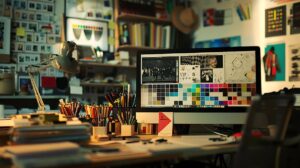
Web design focuses on the visual and user experience (UX) aspects of a website. It’s everything users see and interact with when they land on your site.
This includes:
- Layout and structure
- Colour schemes and typography
- Branding and visual identity
- Navigation and user flow
- Mobile responsiveness and usability
A web designer’s goal is to create a website that is not only visually appealing but also intuitive and easy to use. Good design ensures visitors can quickly find what they’re looking for and take action—whether that’s making a purchase, filling out a form, or contacting your business.
Defining Web Development
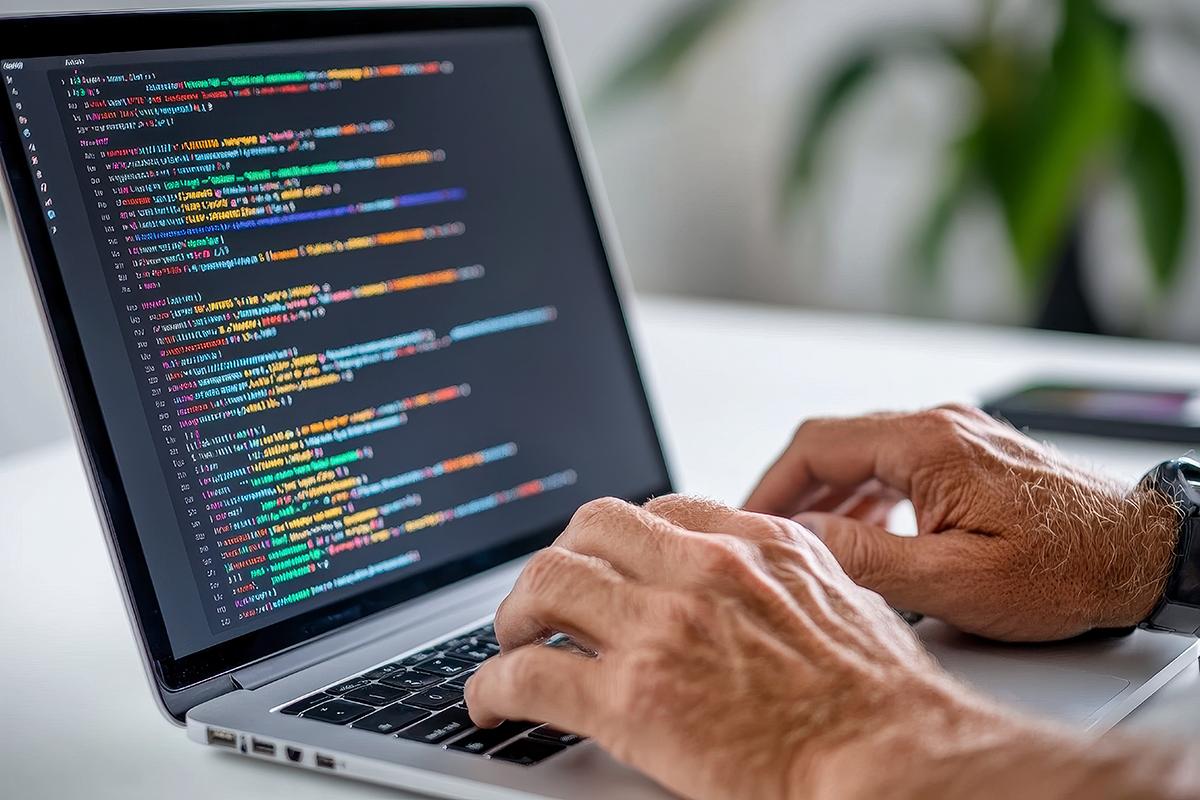
Web development is the technical side of building a website. It turns design concepts into a fully functional, working product.
There are two main types of development:
- Front-end development: Brings the design to life in the browser (what users see and interact with)
- Back-end development: Handles the server, databases, and functionality behind the scenes
Developers ensure your website:
- Loads quickly and performs well
- Works across all devices and browsers
- Integrates with tools (e.g., CRM systems, e-commerce platforms)
- Is secure and scalable
In short, if web design is how your site looks, web development is how it works.
How Both Work Together
Web design and development are not separate silos—they’re deeply interconnected.
A typical website design process looks like this:
- Strategy & planning – defining goals, audience, and structure
- Wireframing & design – creating layouts and visual direction
- Development – building the functional website
- Testing & optimization – ensuring performance and usability
- Launch & iteration – going live and improving over time
Strong collaboration between designers and developers ensures that:
- Creative ideas are technically feasible
- The final product matches the original vision
- Performance and UX are optimized together
When these two disciplines are aligned, the result is a seamless, high-performing website.
What Businesses Actually Need
Most businesses don’t need to choose between design or development—they need both.
Here’s why:
- A beautifully designed website that doesn’t function properly will frustrate users
- A highly functional website with poor design will fail to engage or convert visitors
The most effective websites balance:
- Visual appeal (design)
- Usability (UX)
- Performance (development)
- Strategy (business goals)
If your goal is growth—more leads, more sales, or stronger brand presence—you need a cohesive approach that brings everything together.
Choosing the Right Provider
When selecting a partner for your website, it’s important to look beyond just “design” or “development.”
Consider:
- Do they offer both design and development services?
- Do they understand your business goals—not just aesthetics?
- Can they show real examples of performance-driven websites?
- Do they follow a clear, structured website design process?
Working with a provider that bridges both disciplines helps avoid miscommunication, delays, and inconsistent results.
Beanstalk’s Approach
At Beanstalk Studios, we take a holistic approach to web design and development. Rather than treating them as separate services, we integrate strategy, design, and development into one streamlined process.
Our approach focuses on:
- Designing with purpose—aligned to your brand and goals
- Building with performance in mind—fast, responsive, and scalable
- Creating user experiences that convert—not just look good
By combining creativity with technical expertise, we help businesses launch websites that don’t just exist—but actively support growth.
Start Your Website Project
Whether you’re building a new site or improving an existing one, understanding the difference between web design vs development is the first step toward making smarter decisions.
If you’re ready to create a website that looks great and performs, let’s get started.
👉 Start Your Website Project